
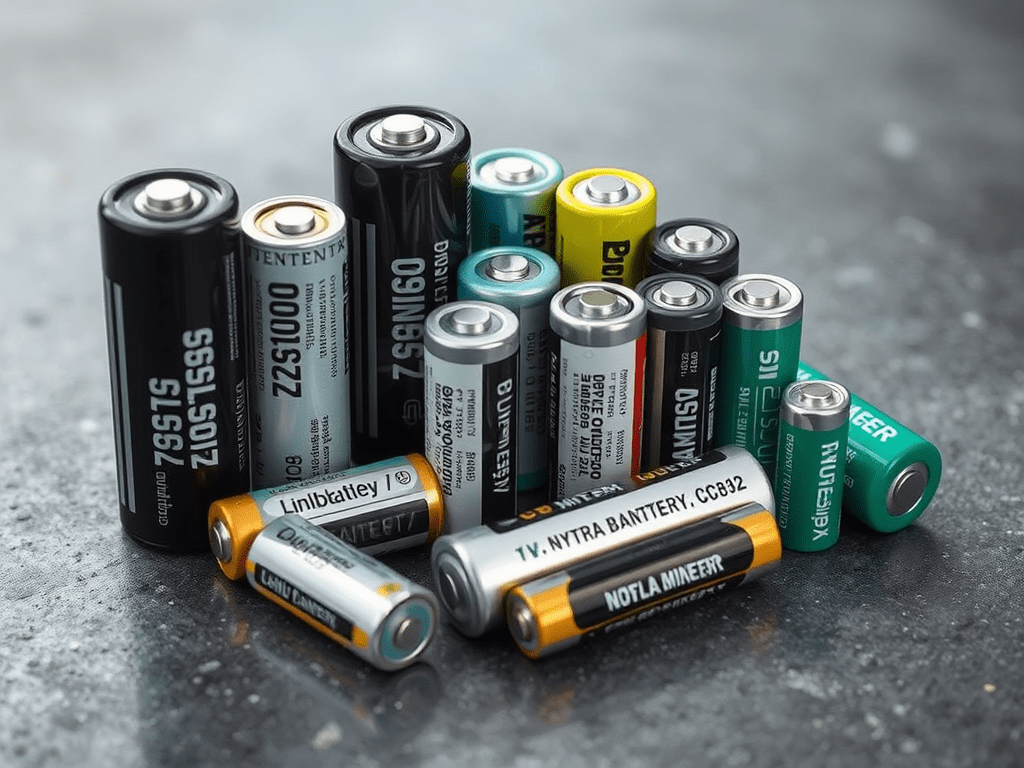
What Actually Matters for Reliability, Performance, and Storage
Most gear failures blamed on “cheap equipment” are actually battery failures. The light, radio, or device is often fine — the battery choice quietly undermines performance, runtime, or reliability.
This article explains the practical differences between common battery types, how they behave in real use, and how to choose intentionally based on performance, storage, and usage patterns, not marketing or spec sheets.
How to Think About Battery Choice
Before comparing specific battery types, it helps to understand the tradeoffs that actually matter. There is no universally “best” battery — only better choices for different situations.
Key factors to weigh:
- Performance vs storage longevity
- Rechargeable vs primary (non-rechargeable)
- Energy density vs physical size
- Cold-weather behavior
- Availability during emergencies
- Standardization across multiple devices
A battery that excels in one category often gives up ground in another. The goal is not optimization — it is reliability aligned with how the gear is used.
18650 Batteries: High Performance for Frequent Use
What They Are
18650 batteries are rechargeable lithium-ion cells widely used in modern flashlights, headlamps, and electronic devices.
Strengths
- Excellent balance of size and capacity
- Supports high and sustained output
- Rechargeable and cost-effective over time
- Large ecosystem of chargers and accessories
For users who regularly use their equipment, 18650 batteries deliver strong performance with manageable logistics.
Limitations
- Shorter shelf life than primary batteries
- Require charging discipline
- Performance depends heavily on cell quality
Lithium-ion cells slowly self-discharge and degrade if left unused for long periods.
Best Use Cases
- Everyday carry flashlights
- Frequently used lights or electronics
- Home kits that are checked and maintained
Bottom line:
18650 batteries prioritize performance and recharge cycles. They work best when used and maintained regularly.
21700 Batteries: More Capacity, Larger Footprint
What They Are
21700 batteries are a larger lithium-ion format designed to deliver higher capacity and better sustained output.
Strengths
- Longer runtime than 18650
- Improved thermal handling under high load
- Better sustained brightness in demanding devices
As devices push higher output levels, the 21700 format provides additional headroom.
Tradeoffs
- Larger and heavier
- Not backward compatible with 18650 devices
- Slightly less universal availability
Best Use Cases
- High-output or duty-grade flashlights
- Vehicle kits
- Situations where runtime matters more than compactness
Bottom line:
21700 batteries are a performance upgrade when size is less critical.
CR123A Batteries: Long-Term Reliability for Infrequent Use
What They Are
CR123A batteries are primary (non-rechargeable) lithium cells long used in tactical, emergency, and professional equipment.
Strengths
- Extremely long shelf life (often 10+ years)
- Very low self-discharge
- Excellent cold-weather performance
- No maintenance required
CR123A batteries are designed to sit unused and still work when needed.
Limitations
- Higher cost per cell
- Not rechargeable
- Lower sustained output compared to lithium-ion
Best Use Cases
- Emergency-staged flashlights
- Backup lights stored long-term
- Cold-weather reliability
Bottom line:
CR123A batteries prioritize reliability over time, not maximum output.
CR123 ×2 vs 18650: Interchangeability Explained
Many quality flashlights are designed to accept either two CR123A batteries or one 18650 battery, but this is not universal.
Flashlights with regulated drivers can safely manage both voltage ranges when explicitly designed to do so.
Critical Caveat
- Interchangeability is valid only if the manufacturer specifies support for both configurations
- Never assume compatibility without confirmation
Practical Insight
- CR123A is better for long-term storage with infrequent use
- 18650 is better for higher performance with regular recharging
This is not about which battery is “better” — it is about how the light is staged and used.
AA and AAA Batteries: Availability Over Performance
What They Are
AA and AAA batteries are available as alkaline or rechargeable NiMH cells and remain widely used in emergency radios and low-drain devices.
Strengths
- Universally available
- Simple logistics
- Familiar to non-enthusiasts
In a true supply disruption, availability matters.
Limitations
- Low energy density
- Poor performance in high-output devices
- Alkaline batteries are prone to leakage during storage
Best Use Cases
- Emergency radios
- Low-drain backup devices
- Situations where availability outweighs performance
Bottom line:
AA and AAA batteries remain relevant, but not for high-performance gear.
Rechargeable vs Primary Batteries: The Real Tradeoff
Rechargeable Batteries
Examples: 18650, 21700, NiMH
Advantages
- Higher performance
- Lower long-term cost
- Reduced waste
Tradeoffs
- Require charging infrastructure
- Shorter shelf life
- Maintenance required
Primary Batteries
Examples: CR123A, alkaline
Advantages
- Long shelf life
- Minimal maintenance
- Predictable behavior after storage
Tradeoffs
- Higher ongoing cost
- Lower sustained output
- Disposal considerations
Key takeaway:
Most preparedness setups benefit from a mix, not a single battery type.
Cold Weather and Storage Considerations
Battery performance changes significantly in cold environments.
- Lithium primary (CR123A) performs very well in cold
- Lithium-ion (18650 / 21700) loses capacity as temperatures drop
- Alkaline performs poorly in cold and is prone to leakage
Storage best practices:
- Store lithium-ion batteries at partial charge (50–70%)
- Avoid deep discharge
- Periodically check stored equipment
Ignoring storage behavior shortens battery life more than normal use.
Practical Recommendations
For Most Households
- 18650 as the primary rechargeable standard
- AA for radios and low-drain devices
- CR123A reserve for long-term emergency lights
For Preparedness-Focused Kits
- Mix rechargeable and primary batteries
- Standardize chargers across devices
- Prioritize reliability over maximum output
Standardization simplifies logistics and reduces failure points.
Common Battery Mistakes
- Assuming higher mAh always means better performance
- Mixing battery brands or charge levels in multi-cell devices
- Storing lithium-ion batteries fully depleted
- Relying exclusively on alkaline batteries for emergencies
Most failures are preventable with basic awareness.
Frequently Asked Questions
Are protected lithium-ion cells necessary?
They add a safety layer but may not fit all devices. Follow manufacturer guidance.
Can rechargeable alternatives replace CR123A?
Sometimes, but not always. Use only when explicitly supported.
How long do lithium-ion batteries last?
Typically several years with proper storage and moderate use.
Is it safe to stockpile batteries?
Yes, if stored correctly and rotated periodically.
Final Thoughts
Battery choice is a reliability decision. Understanding how different batteries behave over time, in cold weather, and under load prevents gear failure when it matters most.
No single battery type is ideal for every situation. Choosing intentionally — based on how equipment is actually used — is more effective than buying more gear.
 Tactical Gear Source
Leave a comment